Top 10 Benefits of Using Titanium Plate for Your Projects?

Time:2026-04-16 Author:Ethan
0%

In the world of manufacturing and construction, the use of a Titanium Plate can be transformative. Renowned expert Dr. Emily Sanders, an authority in materials science, states, "Titanium plates are unparalleled in strength and corrosion resistance." Her insights highlight the growing trend of using titanium in various projects. As industries evolve, the demand for durable materials increases.

The benefits of Titanium Plate are numerous. Its lightweight nature combined with exceptional tensile strength makes it ideal for applications ranging from aerospace to medical devices. Projects often prioritize longevity and reliability, and titanium delivers both. This metal withstands harsh environments, minimizing the need for frequent replacements. However, the cost can be a barrier that requires careful consideration.

Choosing Titanium Plate isn't without challenges. While it boasts incredible properties, not every project may require such robust material. Assessing project needs against titanium's benefits is crucial. It's a balance between expense and performance. Understanding both sides can lead to wiser decisions in material selection.
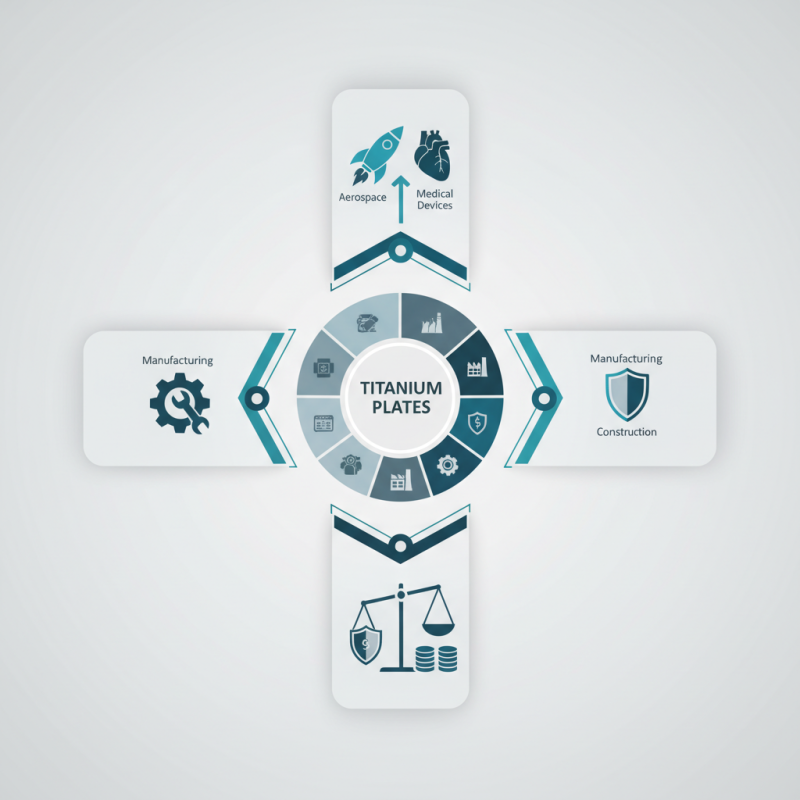
Top 10 Benefits of Using Titanium Plate for Your Projects?

Benefits of Titanium Plate in Construction and Manufacturing Projects

Titanium plates are increasingly favored in construction and manufacturing. Their benefits are numerous and impact project lifecycle positively. One major advantage is their high strength-to-weight ratio. According to a recent industry report, titanium is 45% lighter than steel while being just as strong. This property helps reduce overall material costs and transportation expenses.

Another significant benefit is corrosion resistance. Titanium does not rust, making it ideal for harsh environments. A study published in the Journal of Materials Science noted that titanium maintains structural integrity up to 600°F, outperforming many alternatives. This results in lower maintenance costs and extended lifespan for constructions.

Despite the advantages, titanium plates can be expensive. Some projects may overlook budget constraints when considering them. However, investing in titanium can lead to savings down the line. Sustainability also emerges as an important factor. Titanium plates are fully recyclable, which aligns with green building practices. These points highlight a need for careful evaluation when choosing materials, as the long-term benefits may justify the initial cost.

Durability and Strength: Why Titanium Plate Outperforms Other Materials

Durability and strength are crucial when selecting materials for projects. Titanium plate stands out in this aspect. It is known for its exceptional strength-to-weight ratio. This means it's strong without being overly heavy, making it ideal for various applications.

Titanium plate can withstand corrosion and extreme temperatures, unlike many traditional metals. It resists rust, ensuring longevity in harsh environments. In industries like aerospace and medical, this reliability is crucial. Projects benefit from materials that do not fail under pressure.

However, using titanium plate can pose challenges. The initial cost is higher than other metals. Welding and machining require specialized skills and tools. These factors can complicate project execution. Contractors must weigh the benefits against these potential drawbacks. Yet, for many, the performance gains justify the investment.

Corrosion Resistance: The Advantage of Using Titanium Plate

When considering materials for various projects, titanium plates stand out, especially for their corrosion resistance. This remarkable property makes titanium ideal for harsh environments. It withstands saltwater, chemicals, and high temperatures without degrading. Many industries benefit from these traits, including aerospace and medical sectors.

Using titanium plates reduces maintenance costs significantly. Corrosion can lead to costly repairs and potential failures. By choosing titanium, projects gain reliability and longevity. However, the initial investment in titanium may be higher. This can deter some projects from using it, especially if the budget is tight.

Despite the costs, the advantages are clear. Projects that implement titanium plates often find they save money over time. The reduced risk of corrosion translates to fewer disruptions and better performance. Yet, users must be mindful of sourcing quality titanium. The market has variations, and ensuring authenticity is crucial for reaping real benefits.

Top 10 Benefits of Using Titanium Plate for Your Projects

This chart illustrates the top 10 benefits of using titanium plates in various projects based on their importance level. Each benefit, such as corrosion resistance and high strength-to-weight ratio, has been evaluated on a scale from 1 to 10, highlighting the key advantages of titanium as a material choice.

Lightweight Nature of Titanium Plate for Enhanced Design Flexibility

The lightweight nature of titanium plates greatly enhances design flexibility in various projects. With a density of approximately 4.5 g/cm³, titanium is about 45% lighter than steel yet holds comparable strength. This characteristic allows engineers and designers to explore innovative solutions without compromising structural integrity. According to a report by the International Titanium Association, projects utilizing titanium can result in increased performance and durability.

Designers benefit from reduced weight, which can lead to lower energy consumption in transportation. A lighter structure can also facilitate complex geometries that might be impossible with heavier materials. This adaptability encourages creativity and efficiency in project execution. While titanium might have higher initial procurement costs, its longevity often compensates for the expense over time.

Tip: When selecting materials, consider the long-term performance and maintenance costs. Choose titanium for projects that prioritize strength while minimizing weight. However, acknowledge that working with titanium requires specialized skills and tools. It’s crucial to evaluate your team's capacity and make necessary training arrangements.

Another consideration is to assess the environmental impact of your material choices. Titanium is 100% recyclable, making it an eco-conscious option. Engaging in sustainable sourcing can elevate your project's overall value. Always seek to balance performance with practicality in every design decision.

Cost-Effectiveness: Long-Term Savings with Titanium Plate Utilization

Cost-Effectiveness is a major advantage of utilizing titanium plates in various projects. Although titanium plates may have a higher initial cost than other materials, their long-term savings can be significant. The durability of titanium makes it a wise investment. It resists corrosion, reducing maintenance costs over time. Also, its lightweight nature often translates into savings in transportation and installation costs. This adds to the overall cost-effectiveness of a project.

Choosing titanium doesn’t come without challenges. Smaller projects may struggle with budget constraints. Some may question whether the benefits justify the expense. However, when considering repairs or replacements of cheaper materials, the decision becomes clearer. What you might save initially can turn into higher costs later on. Thus, investing in titanium can provide peace of mind. It offers longevity and stability that other materials may lack.

In terms of performance, titanium plates excel in various environments. They can withstand extreme temperatures and pressures. This capability is essential for industries such as aerospace and marine engineering. However, not every project may require such robust materials. It is crucial to assess your specific needs first. Balancing cost and performance is vital in making an informed decision.

FAQS

: What are the main benefits of using titanium plates in construction?

: Titanium plates are strong, lightweight, and corrosion-resistant. They reduce material costs and enhance project longevity.

How does the weight of titanium compare to steel?

Titanium is about 45% lighter than steel. This property allows for more innovative design solutions in projects.

Why is corrosion resistance important in construction materials?

Corrosion resistance prevents rust and maintains structural integrity. This leads to lower maintenance costs over time.

Are titanium plates expensive to use?

Yes, titanium plates can be costly initially. However, they may lead to savings in maintenance and repairs.

How can using titanium plates affect energy consumption?

Lighter structures reduce energy consumption during transportation. This helps in minimizing overall project energy costs.

Is titanium an eco-friendly material option?

Yes, titanium plates are fully recyclable. Using them aligns with sustainable building practices.

What specialized skills are needed to work with titanium?

Working with titanium requires specific skills and tools. This means training may be necessary for construction teams.

What should be considered when choosing construction materials?

Long-term performance, maintenance costs, and environmental impact are crucial factors to evaluate during material selection.

Conclusion

The use of Titanium Plate in construction and manufacturing projects offers a multitude of advantages, making it an attractive option for modern applications. One of the most significant benefits is its exceptional durability and strength, which allows Titanium Plate to outperform traditional materials under various conditions. This robustness ensures longevity and reduced maintenance costs, contributing to more sustainable project management.

Additionally, Titanium Plate is renowned for its corrosion resistance, providing an edge in environments where exposure to harsh chemicals or weather conditions is common. Its lightweight nature enhances design flexibility, enabling engineers and architects to create innovative structures without compromising safety. Ultimately, while the initial investment in Titanium Plate may be higher, its cost-effectiveness becomes apparent over time due to long-term savings on repairs and replacements, solidifying its role as a superior material in construction and manufacturing industries.


Ethan

Ethan

Ethan is a seasoned marketing professional with a deep expertise in our company's innovative product line. With a passion for sharing knowledge and insights, he takes the lead in regularly updating our corporate blog, where he explores industry trends, product features, and effective marketing......