Choosing among the 10 Best Unalloyed Titanium Bar Suppliers Worldwide requires more than comparing prices or polished websites. Buyers need dependable evidence. That includes chemical composition, dimensional tolerances, surface condition, manufacturing capability, and traceable inspection records. A bright bar may look excellent under warehouse lighting, yet its mill certificate tells the real story.
Materials specialist Dr. F. H. Froes has emphasized, “Titanium’s strength-to-weight ratio is its defining advantage.” That advantage matters in aerospace brackets, medical components, chemical-processing equipment, and marine systems. However, unalloyed titanium grades do not perform identically. Grade 1 offers high ductility and corrosion resistance, while Grade 2 provides greater strength for demanding service. Grade selection must match the operating environment.
This guide examines suppliers through a practical, evidence-based lens. It considers product consistency, available sizes, international delivery, quality systems, technical support, and customer experience. Certifications matter. So does the supplier’s willingness to share test reports and answer difficult questions.
No ranking is flawless.
A supplier with impressive certifications may still struggle with urgent delivery. Another may offer excellent stock but limited technical guidance. These weaknesses deserve attention, not concealment. We have therefore looked beyond marketing claims, examining what buyers can verify before placing an order. The goal is not to declare one universal winner. It is to help engineers, distributors, and procurement teams identify a reliable Unalloyed Titanium Bar partner for their specific application.
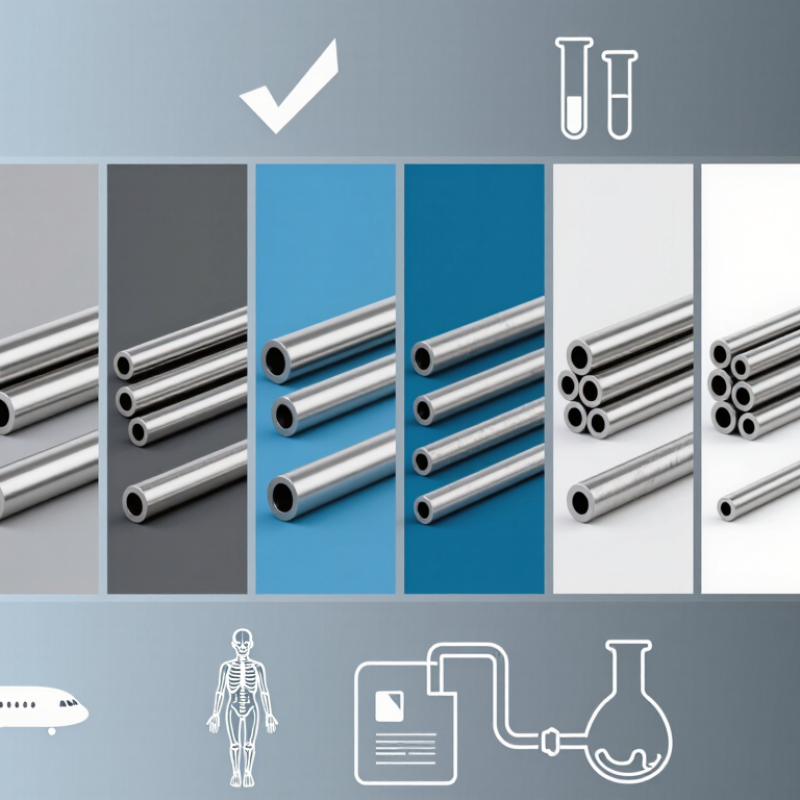
Unalloyed Titanium Bars: ASTM B348 Grades, 4.51 g/cm³ Density, and Uses
Unalloyed titanium bars are valued for corrosion resistance, low weight, and dependable performance in demanding environments. Under ASTM B348, Grades 1, 2, 3, and 4 have different chemistry and strength requirements. Grade 2 is widely selected for its balanced ductility and corrosion resistance. Their density is approximately 4.51 g/cm³, much lower than many steel products. That weight advantage can simplify lifting and reduce structural load. Density alone cannot verify quality.
During supplier evaluation, request a material test report for every production heat. The report should match the heat number, grade, dimensions, and ASTM B348 requirements. Review chemical analysis, tensile results, surface condition, straightness, and packing records. For larger orders, independent inspection can verify markings and sample identity before shipment. Ask how the bars are protected from iron contamination during cutting and storage. Small details matter. A bright surface can still conceal dimensional variation or incomplete traceability.
Common uses include chemical processing equipment, heat exchangers, marine components, and precision-machined parts. Grade 2 bars often suit tanks, fasteners, and fittings exposed to aggressive media. Grades 1 and 3 may fit applications needing different ductility or strength balances. Machining requires sharp tools and controlled cutting conditions. Poor heat control can discolor the surface and increase rework. When comparing worldwide suppliers, assess documentation, response time, packaging, inspection support, and realistic lead times. The lowest quotation may not represent the lowest total cost. I would leave room for doubt when certificates look perfect but production evidence is limited.
How to Rank Global Suppliers by ASTM B348 Compliance and Material Traceability
Ranking global unalloyed titanium bar suppliers requires more than comparing prices or production capacity. ASTM B348 should be the first technical filter. Confirm the offered grade, dimensions, condition, and applicable standard edition. The mill test report must match the purchase order, not simply display a familiar standard number.
A practical scorecard can assign 40% to ASTM B348 compliance, 30% to material traceability, 20% to testing controls, and 10% to delivery performance. Request heat-specific reports showing chemistry, tensile strength, yield strength, elongation, and test methods. Check whether an accredited laboratory performed required tests. Review calibration records and recent nonconformance reports when available.
Traceability should follow each bar from melt to shipment. The heat number must appear on the certificate, bundle tag, and packing list. After cutting, the remaining pieces should retain an identifiable mark. Otherwise, traceability breaks quickly. Ask for production records, source declarations, and a sample certificate before placing an order. A polished document can still conceal weak process control. It happens.
Supplier audits add useful evidence, especially when records are incomplete. However, audits are snapshots, not permanent proof. A weighted ranking is helpful, but it is not perfect. Recheck certificates, physical markings, and independent test results for critical orders. Small inconsistencies deserve attention.
Comparing Grade 2 Bars Against the 345 MPa Minimum Tensile Strength Standard
10 Best Unalloyed Titanium Bar Suppliers Worldwide?
When comparing worldwide suppliers, Grade 2 titanium bars should be checked against the 345 MPa minimum tensile strength requirement. This value commonly appears in ASTM specifications for certain Grade 2 bar products. However, the exact requirement can change with the governing standard, diameter, and delivery condition.
Ask each supplier for a complete material test report. It should identify the heat number, chemical composition, tensile result, test direction, and applicable standard. Reliable documentation matters more than a polished website. A properly tested bar should connect its certificate to the actual shipment, not a generic production batch.
Look closely at the test method.
A tensile result of 360 MPa may satisfy the minimum, but it offers limited margin. Bars near 345 MPa deserve additional review, especially for repeated loading or machined components. Surface marks, ovality, straightness, and diameter tolerance also affect practical performance. These details are easy to overlook.
In purchasing work, I would compare at least three recent certificates from each candidate supplier. Check whether results remain consistent across heats and sizes. Some suppliers may quote Grade 2 material while using a different regional specification. That is not automatically wrong, but it requires careful equivalency review. A certificate without traceability should not carry the same confidence as a verifiable, batch-specific report. Tensile strength is important, yet it cannot replace design verification, corrosion assessment, and independent inspection when the application is critical.
10 Best Unalloyed Titanium Bar Suppliers Worldwide? — Comparing Grade 2 Bars Against the 345 MPa Minimum Tensile Strength Standard
Anonymous supplier comparison framework for commercially pure Titanium Grade 2 bar procurement. Company names and brand information are intentionally excluded.
Evaluating Supplier Capacity, Bar Sizes, Minimum Orders, and Delivery Lead Times
Choosing the ten best unalloyed titanium bar suppliers requires more than comparing prices. Capacity must be verified by monthly output, furnace availability, and finishing equipment. The USGS Mineral Commodity Summaries 2024 reported roughly 9 million metric tons of ilmenite and rutile production in 2023. That large upstream figure does not prove strong bar-making capacity. Buyers should request recent production records, inspection reports, and evidence of continuous stock.
Bar sizes also expose supplier differences. Ask whether the source can provide common CP titanium grades, including Grades 1, 2, 3, and 4, under ASTM B348. Confirm diameters, straightness, surface condition, cut lengths, and tolerances. Some suppliers list wide size ranges but outsource unusual dimensions. That can add delays. Minimum orders deserve equal attention. A practical request might compare one trial bundle, a small repeat order, and a full production lot. The cheapest quotation may require several tonnes.
Delivery promises should include melting, testing, machining, export handling, and transit. Industry purchasing surveys commonly show metal lead times changing with energy costs, freight capacity, and regional demand. Request a written schedule with milestones, not one final date. Eight to twelve weeks is plausible for standard stock, while custom or large-diameter bars may take longer. I would still challenge every estimate. A spreadsheet helps, but it can lie. Verify heat numbers, mill certificates, and packaging photographs before payment.
10 Best Unalloyed Titanium Bar Suppliers Worldwide
Comparative benchmark of supplier capacity, commonly available bar sizes, minimum order quantities, and indicative delivery lead times. Supplier identities are anonymized; figures represent typical industrial procurement ranges and should be verified before purchasing.
Larger annual capacity generally supports better availability for standard diameters, while smaller minimum orders may be more suitable for prototypes and maintenance requirements. Delivery times vary according to grade, certification, bar diameter, production scheduling, and destination.
Selecting the Top 10 by ISO 9001 Quality, Test Reports, Pricing, and Support
Choosing the 10 best unalloyed titanium bar suppliers requires more than comparing online prices. A reliable evaluation begins with ISO 9001 certification and its current scope. The certificate should cover the supplied products and remain verifiable. Experience also matters. Suppliers should explain grade selection, tolerances, straightness, and surface condition without vague promises.
Test reports deserve close attention. Ask for heat numbers, chemical composition, tensile results, and dimensional records. These details should match the delivered bar, not a generic sample. Standards such as ASTM B348 can provide a useful reference. Traceability is essential. A clear report builds confidence.
Pricing still matters, but the lowest quote may hide packaging, testing, or cutting fees. Compare delivered costs, minimum order quantities, lead times, and replacement policies. Support quality is easier to judge through practical questions. How quickly does the technical team respond? Can it clarify mill certificates? Can it suggest suitable grades for forming or corrosion exposure?
My preferred shortlist would score quality, documentation, price, and support separately. No scoring model is perfect. A supplier may offer excellent reports but slow communication. Another may respond quickly yet provide weak dimensional evidence. I would request a small sample order before committing to production quantities. Check the bar with calipers, inspect the surface under bright light, and compare the heat number with the paperwork. Small inconsistencies matter. They often become expensive later.
FAQS
They resist corrosion and weigh less than many steel products. Their density is about 4.51 g/cm³. This can reduce lifting effort and structural load.
ASTM B348 includes Grades 1, 2, 3, and 4. Each grade has different chemistry, ductility, and strength requirements. Grade 2 offers a practical balance.
Grade 2 often suits tanks, fasteners, and fittings exposed to corrosive environments. Grades 1 and 3 may fit different ductility or strength needs. Application details still matter.
Request a material test report for every production heat. It should show the heat number, grade, dimensions, chemistry, tensile results, and standard compliance. Generic certificates are not enough.
Compare the heat number on the bar with the paperwork. Review markings, dimensions, surface condition, straightness, and packing records. Small mismatches deserve attention.
No. Density alone cannot verify quality. A bright surface may hide dimensional variation or incomplete traceability.
Consider independent inspection before shipment. Inspect sample identity and markings. For a small trial order, use calipers and bright light. Imperfect checks are better than blind trust.
Compare current ISO 9001 scope, documentation, delivered pricing, lead time, packaging, inspection support, and communication. Include cutting and testing fees. The lowest quote may not be the lowest total cost.
Use sharp tools and controlled cutting conditions. Poor heat control can discolor the surface and increase rework. The process may need adjustment.
Conclusion
This guide explains how to evaluate the 10 best global suppliers of Unalloyed Titanium Bar by focusing on measurable quality, technical compliance, and service capabilities. It introduces key characteristics of unalloyed titanium bars, including the approximate 4.51 g/cm³ density, ASTM B348 requirements, and common applications where corrosion resistance, low weight, and reliable strength are important. Special attention is given to Grade 2 bars and their 345 MPa minimum tensile strength standard, helping buyers compare material performance with documented specifications.
The ranking method considers ASTM B348 compliance, complete material traceability, ISO 9001 quality systems, and the availability of reliable inspection and test reports. It also reviews supplier production capacity, available bar diameters and lengths, minimum order quantities, delivery lead times, pricing transparency, and technical support. By combining these factors, purchasers can identify dependable suppliers that provide consistent materials, clear documentation, practical ordering options, and responsive assistance for industrial and engineering requirements.

 ProX Metal