China Titanium and Titanium Alloy H-Shaped Profiles Suppliers, Factories

Product Material: Gr2 / Gr5 / GR7

Product Standard: ASTM B348

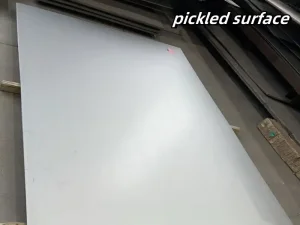
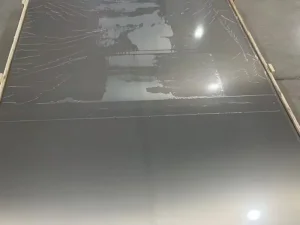
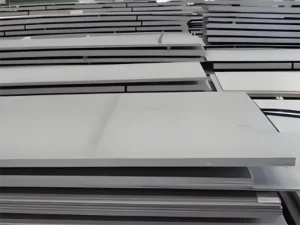
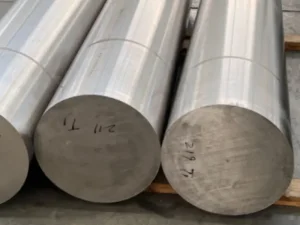
Supplied Surfaces: Polished surface, lathe-machined surface,Acid-washed surface、sandblasted surface

Other lengths can be produced and cut according to requirements.

Product Description

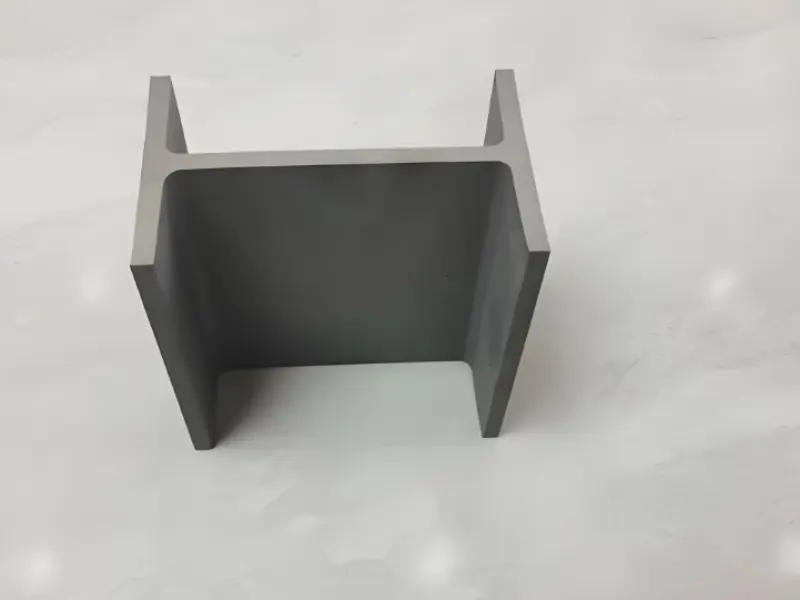
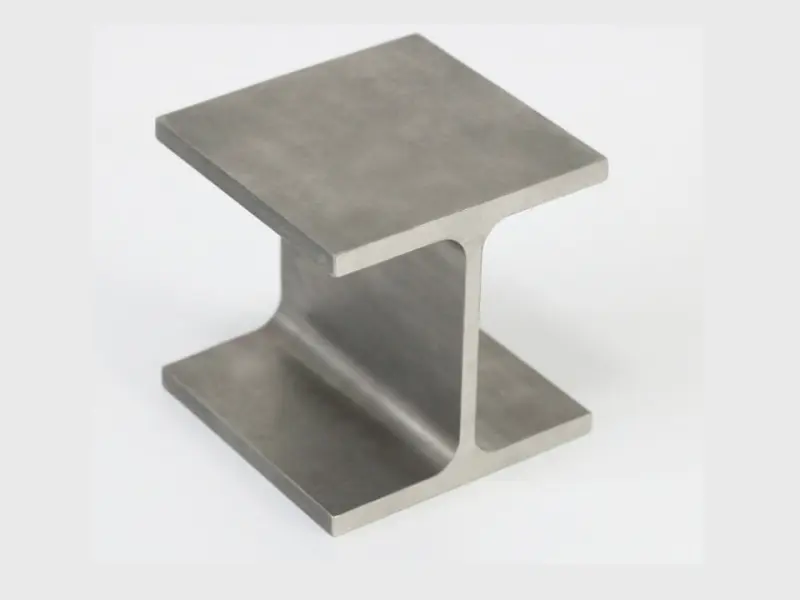
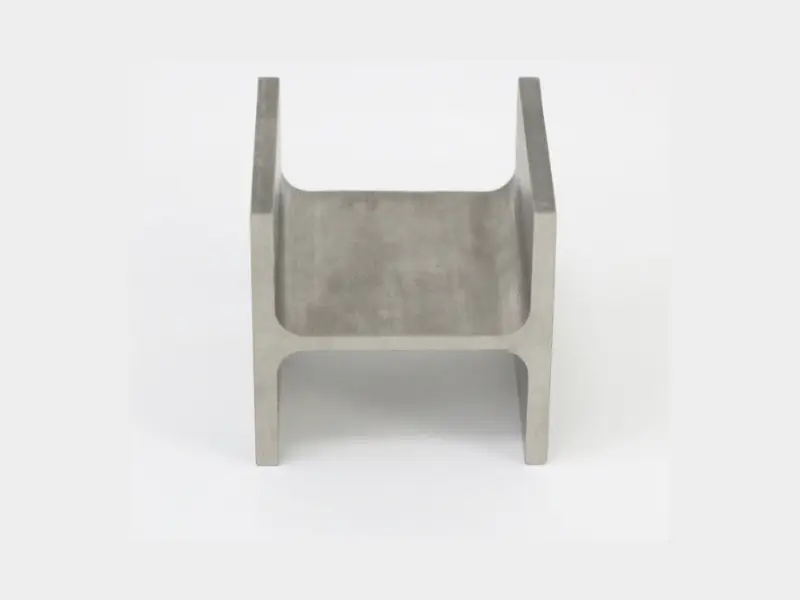
Titanium H-Section Profiles

Titanium H-section profiles are H-shaped beams (with an "H" cross-section) made from titanium or titanium alloys. They feature high strength, lightweight properties, and excellent corrosion resistance. The "double web + flange" structural design combines high bending strength with lightweight advantages. Paired with titanium's inherent corrosion resistance, it serves as a core structural component for "load-bearing + weather-resistant" applications in marine and high-end infrastructure sectors.

🔷 I. Core Characteristics

Mechanical Properties: High strength, low weight. The H-shaped cross-section distributes stress, offering 30% higher bending strength than steel profiles of equivalent weight. Titanium's density of 4.51 g/cm³ is 43% lighter than steel, significantly reducing overall equipment load.
Corrosion Resistance: Maintains stability across diverse media. GR2 resists fresh water/mild corrosion, GR5 withstands extreme temperatures/fatigue, GR7 endures acid/salt spray—adapting to harsh environments.
Processing Adaptability: Supports custom flange widths (30-150mm), web heights (50-200mm), and wall thicknesses (3-12mm). Enables direct welding and assembly, minimizing secondary processing.

🔷 II. Grade-Specific Applications

1. GR2 Pure Titanium H-Beams

Best for: Light Load-Bearing + Basic Corrosion Resistance

Applications: Load-bearing beams for offshore platform walkways, equipment supports in food processing facilities.

Value: H-beams with flange widths of 30-60mm support pedestrian and equipment loads on walkways, resist seawater/food liquid corrosion, remain rust-free for 5 years, and offer lighter installation than stainless steel profiles.

2. GR5 Titanium Alloy H-Beams

Best for: High Load Capacity + Harsh Environment Resistance

Application: Internal support structures for wind turbine towers.

Value: H-section profiles with flange widths of 60-120mm and web thicknesses of 80-180mm withstand stresses transmitted by wind turbine blades. Withstands temperature variations from -50°C to 400°C, offers fatigue life up to 20 years, and reduces weight by 40% compared to steel profiles.

3. GR7 Titanium Alloy H-Beams

Best for: Corrosion-Resistant Load-Bearing

Applications: Support beams for acid tanks in chemical plants, frameworks for hydrometallurgical equipment.

Value: H-section profiles with flange thicknesses of 40-80mm support acid tanks weighing 5-20 tons while resisting corrosion from dilute sulfuric acid/organic acids. Eliminates structural collapse risks from steel corrosion, with a service life exceeding 10 years.

🔷 III. Key Advantages

Compared to steel H-beams (prone to rust, heavy weight) and aluminum alloy H-beams (low strength, poor acid resistance), titanium and titanium alloy H-beams achieve "load-bearing without added weight, corrosion resistance without replacement." They are particularly suited for long-term structural support in outdoor, underwater, and highly corrosive environments.
Frequently Asked Questions

Q1: What are the primary advantages of using Titanium H-section profiles?
They offer an exceptional strength-to-weight ratio (43% lighter than steel) and superior corrosion resistance, making them ideal for load-bearing in harsh environments.
Q2: Which titanium grade should I choose for offshore applications?
GR2 is typically used for basic seawater corrosion resistance in walkways, while GR5 is preferred for high-stress structural components like wind turbine supports.
Q3: Are these H-beams resistant to acidic chemicals?
Yes, GR7 titanium alloy H-beams are specifically designed to endure highly corrosive environments, such as dilute sulfuric acid and organic acids in chemical plants.
Q4: Can the dimensions of the H-beams be customized?
Absolutely. We support custom flange widths (30-150mm), web heights (50-200mm), and wall thicknesses (3-12mm) to meet specific engineering requirements.
Q5: How does the bending strength of titanium H-beams compare to steel?
Due to the H-shaped structural design and titanium's properties, these profiles offer approximately 30% higher bending strength than steel profiles of equivalent weight.
Q6: What is the expected service life of these profiles in corrosive environments?
Depending on the grade, titanium H-beams can last anywhere from 10 to 20 years without replacement, even in salt spray or acidic conditions.

Related Products