 ProX Metal
1 / 3
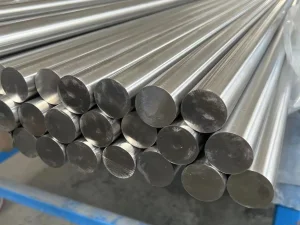
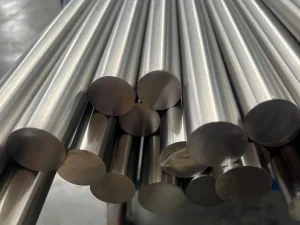
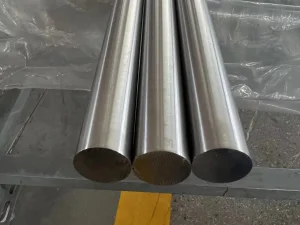
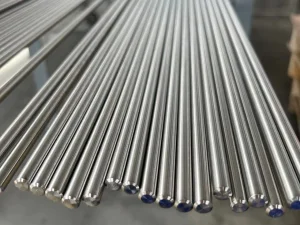
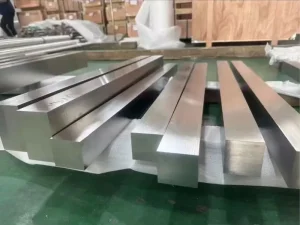
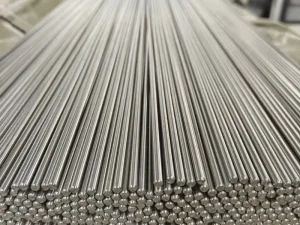
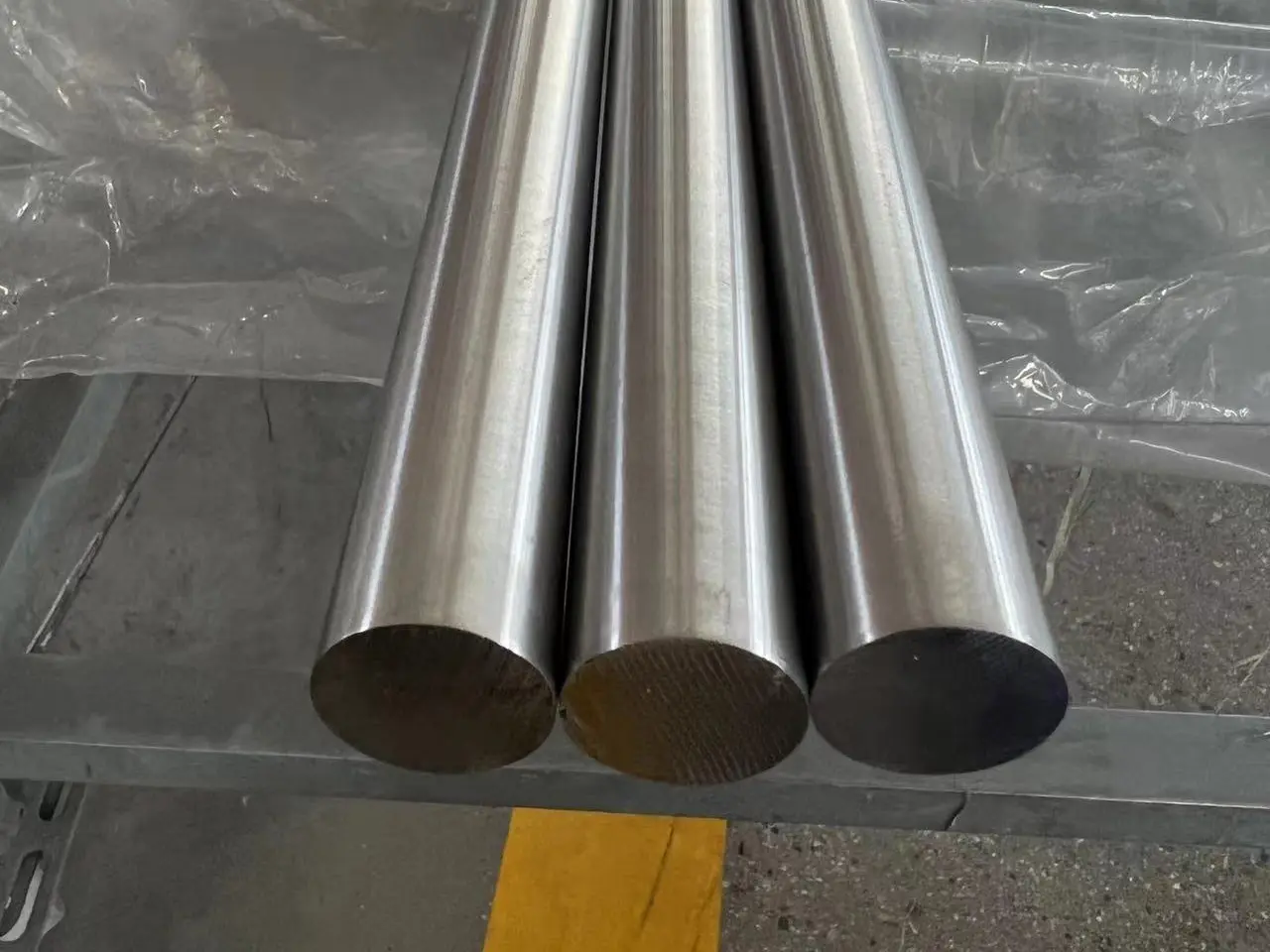
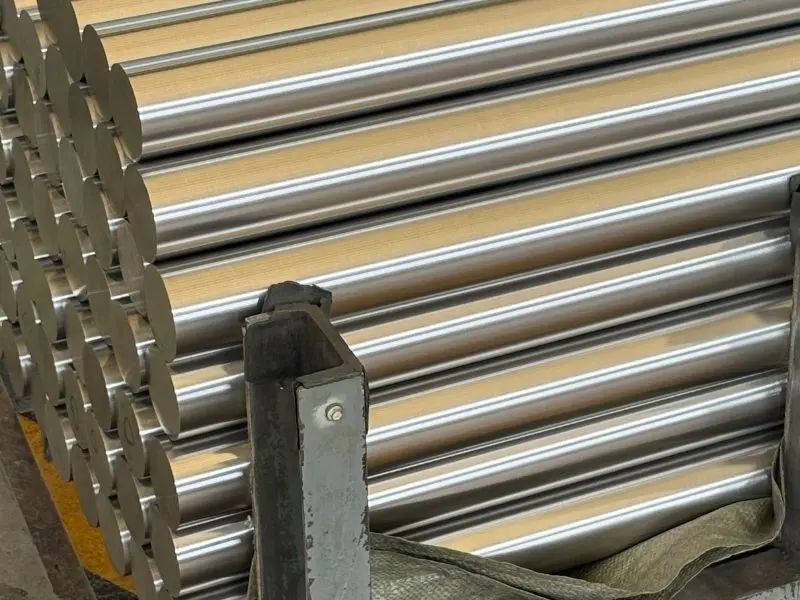
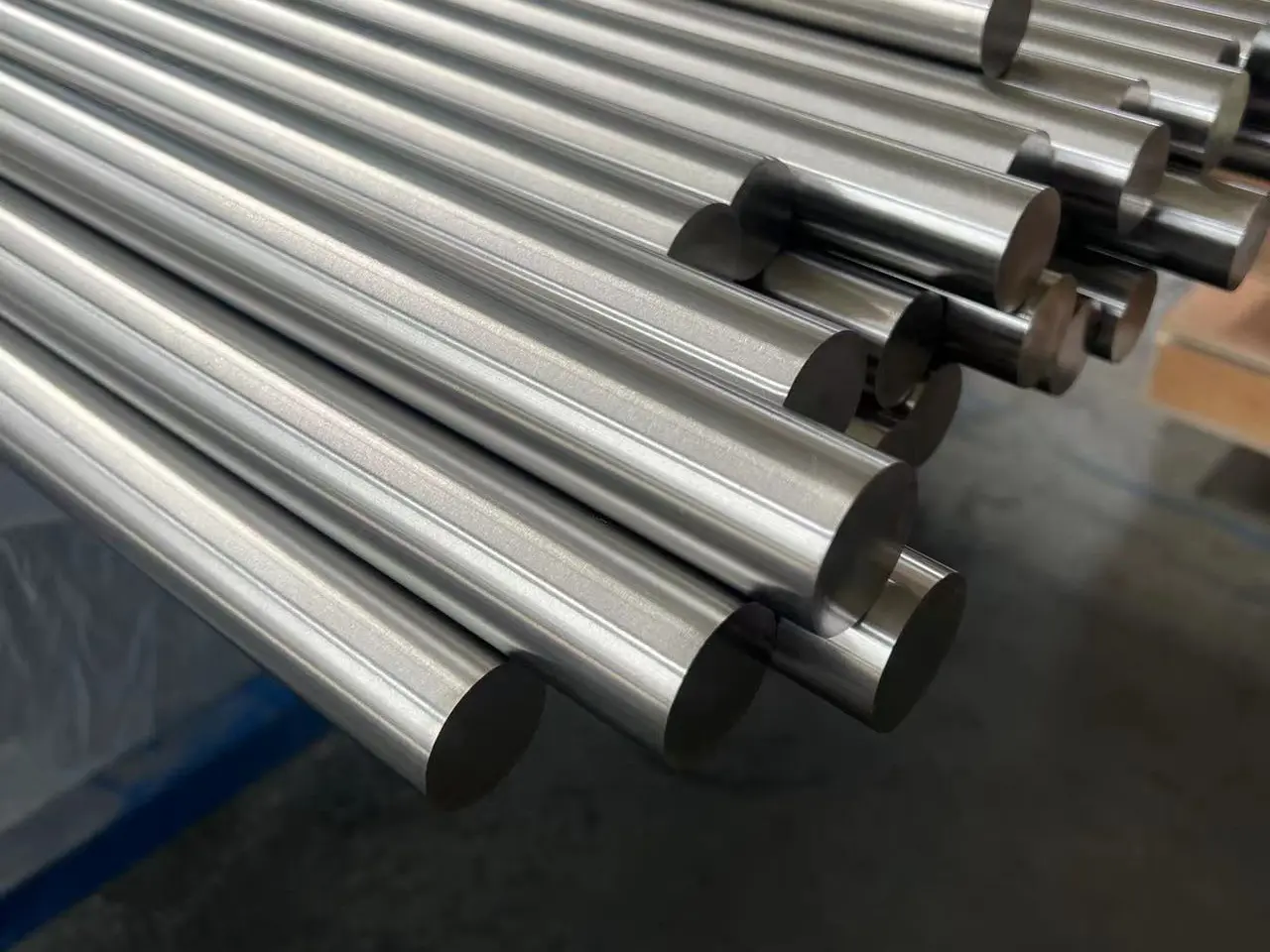
Titanium rods are high-quality rods made from titanium sponge and other titanium alloys by melting, forging, rolling, drawing and other precision processes, which have excellent properties such as high strength, corrosion resistance and high temperature resistance.
GR5 is the optimal balance of strength, corrosion resistance and cost-effectiveness for 90% of high-end industrial needs.
Titanium Alloy Bar for Chemical Composition & Mechanical Properties
| Grade | Chemical Composition (%) | Mechanical Properties | |||||||||||
|---|---|---|---|---|---|---|---|---|---|---|---|---|---|
| Al | V | Fe | C | N | H | O | Each | Total | Tensile Strength | Yield Strength | Elongation (50mm, %) | Reduction (Z/%) | |
| Ti6Al4V (GR5) | 5.5-6.75 | 3.5-4.5 | ≤0.30 | ≤0.08 | ≤0.05 | ≤0.015 | ≤0.20 | ≤0.10 | ≤0.40 | ≥895 | ≥825 | ≥10 | ≥25 |
| Ti6Al4V Eli | 5.5-6.5 | 3.5-4.5 | ≤0.25 | ≤0.08 | ≤0.03 | ≤0.012 | ≤0.13 | ≤0.10 | ≤0.30 | ≥830 | ≥760 | ≥10 | ≥15 |
High strength, low weight and excellent overall performance
| Performance Indicator | GR5 Titanium Alloy | Comparative materials (steel/Al) |
| Tensile Strength | 895-930 MPa | Beyond 7075 aluminum alloy (572MPa) |
| Yield Strength | 825-869 MPa | Near high strength steels (e.g. AISI 4340) |
| Density | 4.43 g/cm³ | 43% lighter than steel and 60% heavier than aluminum |
| Specific strength | 207 MPa·cm³/g | 3.2 times more than 304 stainless steel |
Industrial application: Significantly improves energy efficiency ratio in high-load/reduced-weight scenarios (e.g., offshore equipment structural components, racing car drive shafts).
Corrosion resistance in extreme environments:
Applications: Fasteners for offshore platforms, deep sea probes, chemical valve stems.
Stable performance at high temperatures: 400℃ maintenance
| Temp | Retention of tensile strength | Comparison of material attenuation |
| 25°C | 100% | Reference value |
| 300°C | ≥85% | Aluminum alloy strength remaining <40% |
| 400°C | ≥70% | 50% of the remaining strength of Tung Titanium alloy |
Application: Geothermal energy equipment, automotive turbocharging systems.
Friendly to process and enhance:
Formability: Hot working (750-950°C), complex forging; cold workability up to 20%.
Surface Hardness: Anodised up to HV800; shot peening increases fatigue life by 3-5 times.
A: GR5 (Ti6Al4V) offers an excellent balance of high strength, lightweight properties, and superior corrosion resistance, making it suitable for 90% of high-end industrial applications.
A: Titanium is exceptionally resistant to seawater corrosion, with an annual corrosion rate of less than 0.0015mm, which is about 1/10th that of 316 stainless steel.
A: Titanium rods exhibit excellent thermal stability, retaining up to 70% of their tensile strength even at temperatures as high as 400°C.
A: Yes, titanium alloys have a wide range of hot working temperatures (750-950°C), allowing them to be forging into various complex shapes for industrial use.
A: Common applications include offshore oil platform fasteners, racing car drive shafts, geothermal energy components, and deep-sea probe housings.
A: Titanium is approximately 43% lighter than steel, while being only 60% heavier than aluminum, offering a much higher specific strength than both materials.