 ProX Metal
1 / 2
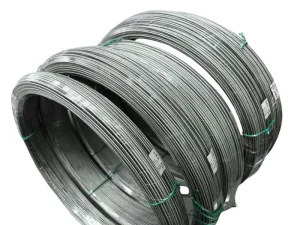
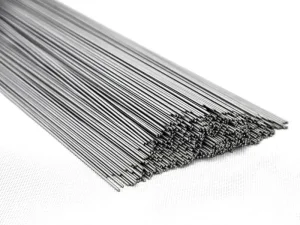
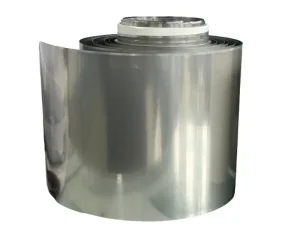
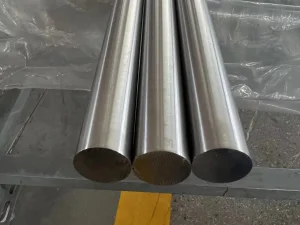
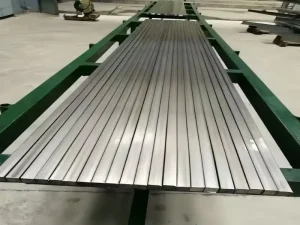
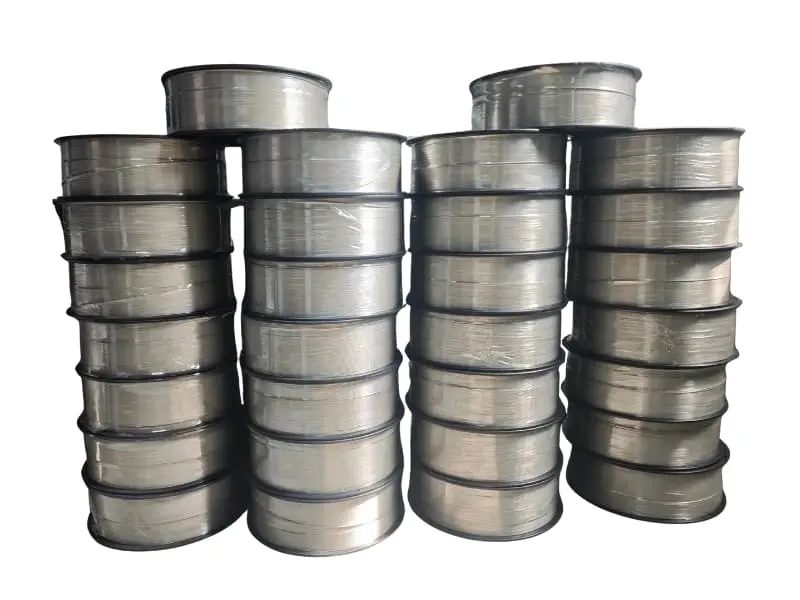
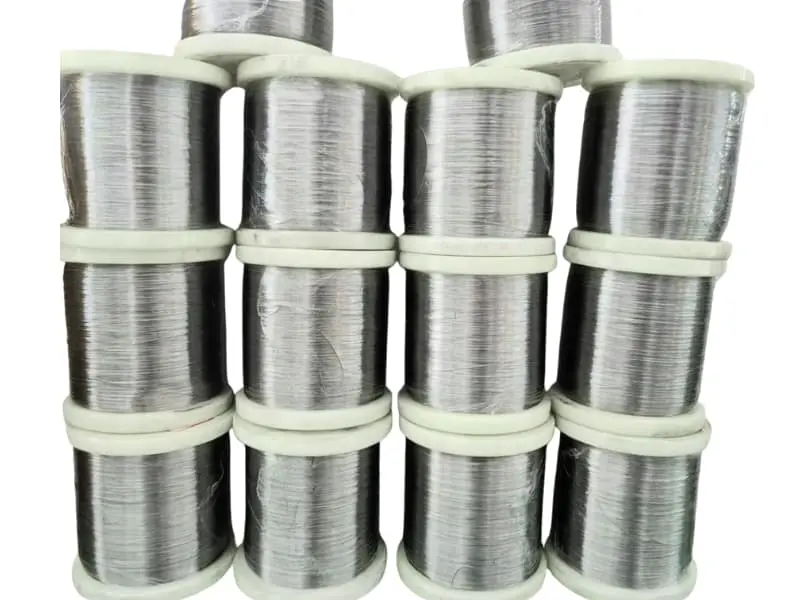
Titanium welding wire is a core industrial material, including straight wire and coil wire formats. It is widely utilized in the welding processes within shipbuilding, chemical equipment manufacturing, marine engineering, and various other high-demand sectors.
Commonly produced from high-purity titanium (GR1/GR2) or specialized titanium alloys (Ti6Al4V), this welding wire offers exceptional welding performance, superior corrosion resistance, and robust mechanical properties, meeting the stringent requirements of high-end manufacturing.
Available Common Diameters:
| Product Features | Product Advantages |
|---|---|
| Excellent welding performance | Creates a uniform, dense, and smooth weld seam. Highly resistant to porosity, cracks, and defects, ensuring joint strength and sealing. |
| Excellent corrosion resistance | Maintains long-term stability in strong acids, alkalis, and salt spray environments. Ideal for chemical and marine applications. |
| High strength and light weight | Titanium offers a superior strength-to-weight ratio, reducing overall structural weight without compromising integrity. |
| High temperature stability | Alloy types like Ti6Al4V maintain high tensile strength (up to 900MPa) and stability even in challenging thermal conditions. |
| Features | Titanium Wire (GR1, GR2, Ti6Al4V) | Stainless Steel | Aluminium | Nickel Based Alloy |
|---|---|---|---|---|
| Corrosion Resistance | Excellent in strong acids, alkalis, and salt spray. | Good in general; poor in strong acids/alkalis. | Poor, especially in alkaline environments. | Better resistance but higher cost. |
| Strength | High tensile strength (Ti6Al4V > 900MPa). | Medium (500-700MPa). | Lower (100-300MPa). | High strength but high cost. |
| Weight | Low density (4.51g/cm³). | Higher density (7.9g/cm³). | Low density (2.7g/cm³). | High density (8.9g/cm³). |
| High-temp Performance | Excellent properties up to 600°C. | Average; prone to oxidation. | Poor; easily softened. | Excellent; but high cost. |
| Cost Effectiveness | High initial cost; superior life cycle value. | Lower for general industry. | Lower; limited durability. | High for extreme environments. |
1. Shipbuilding & Offshore Engineering: Offers excellent resistance to seawater and salt spray. Used for welding ship components, desalination equipment, and offshore platforms.
2. Chemical Equipment: Performs exceptionally in corrosive environments. Ideal for welding chemical reactors, heat exchangers, and industrial pipelines.
3. Electronic Components: Features good electrical conductivity and high temperature resistance. Used in electronic equipment manufacturing, special electrodes, and circuit shielding.
Specialized cladding technology is available for acid-resistant applications in the chemical and energy industries, alongside deep-sea pressure-resistant wires for offshore projects. Suitability analysis and corrosion testing recommendations can be provided for specific project needs.
Packing details: