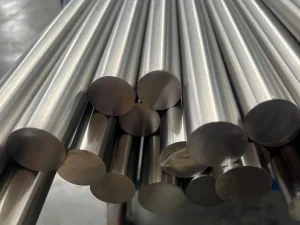
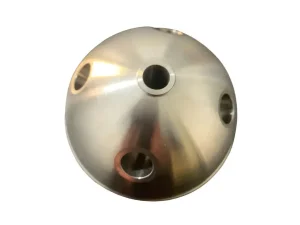
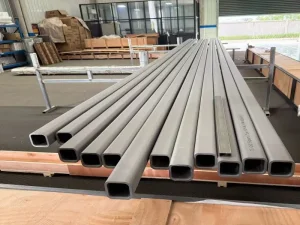
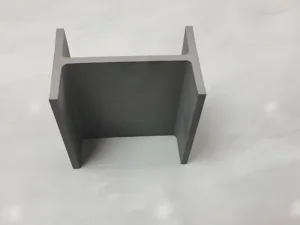
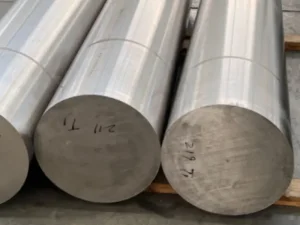
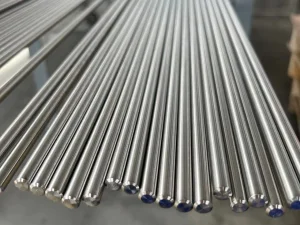
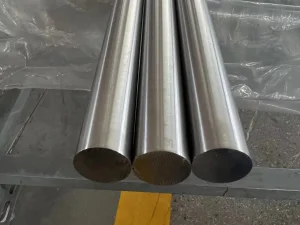
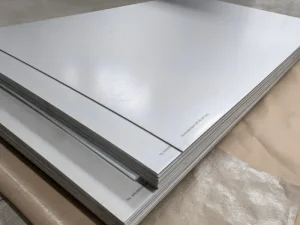
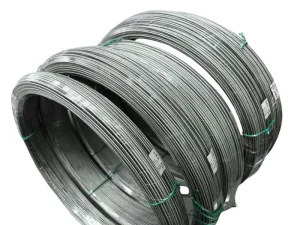
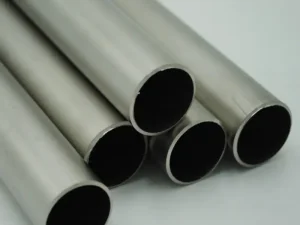
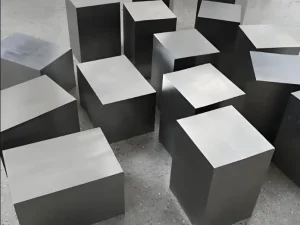
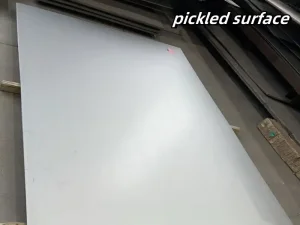
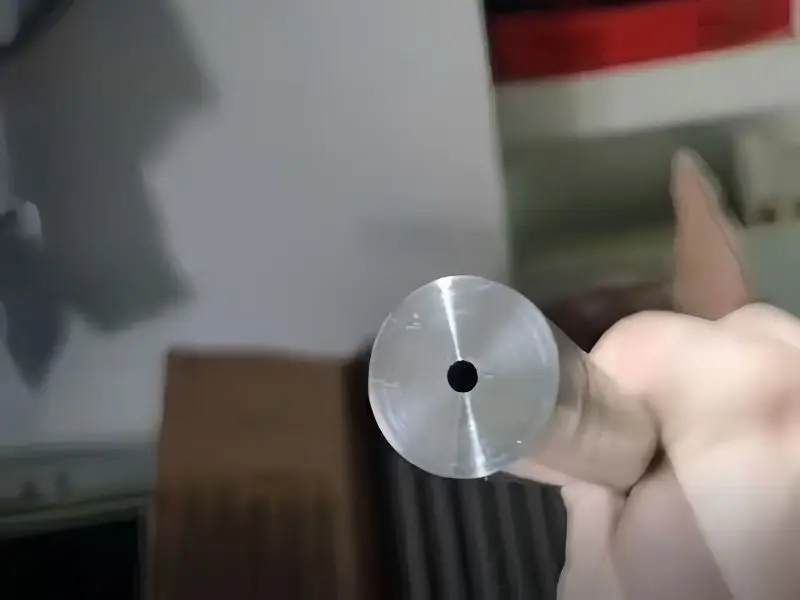
In the modern landscape of high-performance manufacturing, the demand for Custom High-Strength Titanium Rods has surged, driven by advancements in aerospace, subsea exploration, and medical implant technology. As a specialized manufacturer, we understand that a titanium rod is not merely a commodity—it is a critical component that determines the structural integrity, fatigue life, and corrosion resistance of the final application.
Our solutions cater to the "hard industries." In aerospace, we provide Ti-6Al-4V ELI (Grade 23) rods, optimized for fracture toughness in landing gear and engine components. In the chemical processing sector, our Grade 7 (Ti-Pd) and Grade 12 (Ti-Mo-Ni) rods provide unparalleled resistance to crevice corrosion in acidic environments. By leveraging our deep manufacturing expertise, we translate raw metallurgical science into tangible performance metrics for your engineering team.
The global titanium market is witnessing a shift towards "on-demand" manufacturing. While traditional supply chains often rely on large, monolithic batches, the current industrial climate necessitates agile, high-mix, low-volume production. We align our factory capacity with this trend, providing rapid prototyping for R&D centers while maintaining the capability for high-volume industrial rollouts, ensuring that global supply chain interruptions do not stall your critical projects.
Trust in a manufacturer is built on transparency. Our facilities are ISO 9001:2015 certified and adhere strictly to ASTM B348, AMS 4928, and ASME standards. Every rod undergoes rigorous Non-Destructive Testing (NDT), including ultrasonic testing (UT) and eddy current inspection. We provide full material traceability, from the sponge origin to the final heat treatment verification, ensuring every bar meets the exact tensile strength and elongation requirements specified in your blueprint.
The future of titanium manufacturing lies in additive-ready alloys and sustainable processing. We are investing in closed-loop recycling programs to reduce the carbon footprint of our titanium production. Furthermore, our R&D roadmap includes developing ultrafine-grained (UFG) titanium alloys that offer superior strength-to-weight ratios compared to traditional Grade 5 rods, opening new doors for miniaturized medical devices and ultra-lightweight drone architectures.
Structural fasteners and critical engine shafts requiring high fatigue resistance and thermal stability under extreme G-force conditions.
High-purity Grade 5 ELI titanium rods machined for spinal fixations, bone screws, and dental abutments, ensuring maximum biocompatibility.
Subsea valve components and riser stress joints that must withstand high pressure and aggressive saltwater corrosion for decades.
A: Unlike standard off-the-shelf providers, we operate a flexible "make-to-order" model. For standard grades, we can initiate production within 48 hours, with total lead times ranging from 2 to 4 weeks depending on the specific heat treatment and surface finish required.
A: Yes, absolutely. Every shipment includes a comprehensive MTR confirming chemical composition, mechanical properties, and compliance with the relevant ASTM or ISO standards.
A: Grade 23 (Ti-6Al-4V ELI) is the Extra Low Interstitial version of Grade 5. It features lower levels of oxygen, nitrogen, and iron, which results in higher fracture toughness and ductility—critical factors for long-term physiological implant performance.
 ProX Metal