In the evolving landscape of maritime engineering, Marine-Grade Titanium Foil has transitioned from a niche material to a critical industrial asset. As a leading Custom Marine-Grade Titanium Foil Supplier, we recognize the shifting paradigms in global procurement. Marine environments present the most aggressive corrosive challenges known to metallurgy, characterized by high salinity, hydrostatic pressure, and biological fouling.
"The total market valuation for titanium in maritime applications is projected to grow by 6.4% CAGR through 2030, driven by the expansion of offshore wind energy and subsea data centers."
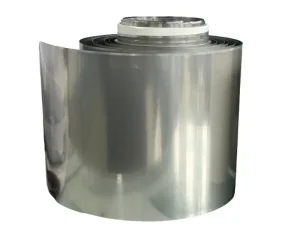
Modern naval architecture demands materials that offer an unrivaled strength-to-weight ratio while remaining virtually immune to chloride-induced stress corrosion cracking (SCC). Titanium foil, typically ranging from 0.005mm to 0.1mm in thickness, provides the flexible yet robust barrier required for high-precision sensors, desalination membranes, and heat exchanger gaskets.
Titanium naturally forms a tenacious, self-healing oxide film (TiO2) that prevents degradation in stagnant or high-velocity seawater.
Unlike copper-based alloys, titanium foil does not release toxic ions, making it the preferred choice for eco-sensitive marine zones.
Our marine-grade foils are engineered for optimal heat transfer in plate-and-frame heat exchangers used in offshore oil platforms.
ProX Metal, based in the heart of China's titanium valley, leverages a vertical supply chain to offer unprecedented cost-efficiency without compromising on ASTM or ISO 9001:2015 standards. The "China Factory Advantage" is no longer just about volume; it is about precision engineering.
In the North Sea and Gulf of Mexico, our custom titanium foils are utilized as protective diaphragms in pressure sensors located 3,000 meters subsea. The foil's ability to maintain elastic properties under extreme hydrostatic pressure is vital for long-term reliability.
Large-scale desalination facilities in the Middle East utilize titanium foil in Multi-Stage Flash (MSF) evaporation units. The material's resistance to pitting and crevice corrosion in hot brine environments extends the equipment lifespan from 10 to over 30 years.
Titanium foil serves as a hydrogen barrier in undersea fiber-optic cable repeaters. It prevents the "hydrogen darkening" of optical fibers, ensuring high-speed data transmission across the Atlantic and Pacific oceans.
The transition to offshore wind requires floating substations where weight is a critical factor. Titanium's light weight (4.5g/cm³) allows for more efficient structural designs compared to stainless steel.
Our commitment to E-E-A-T (Expertise, Authoritativeness, Trustworthiness) is reflected in our rigid adherence to global standards. Below are the core specifications for our primary titanium lines:
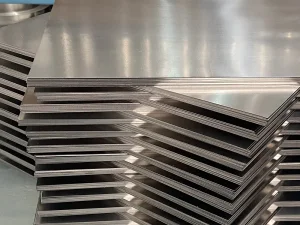
Standards: ASTM B265
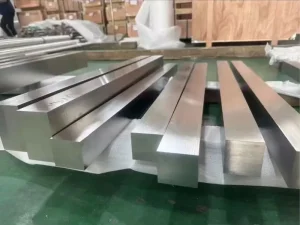
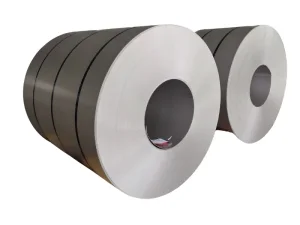
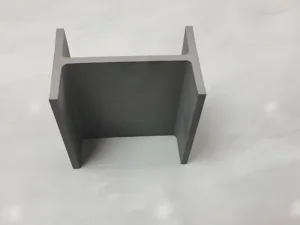
Specs: δ(0.3-12)mm * W500-2000mm
Surface: Cold rolled bright, Pickled, Black oxide
Material: Ti-0.2Pd (GR7), Ti-0.3Mo-0.8Ni (GR12)
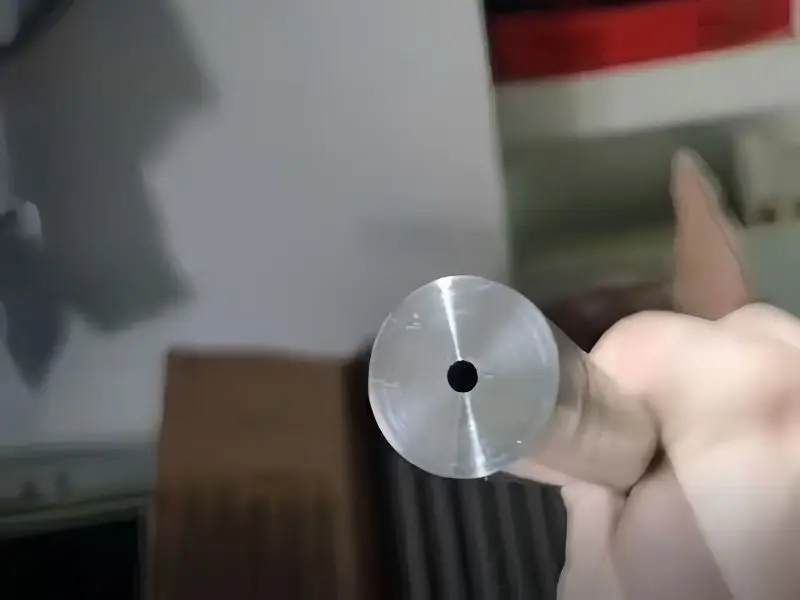
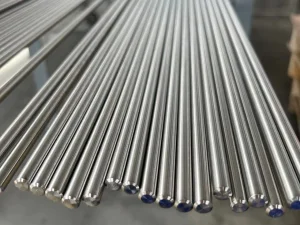
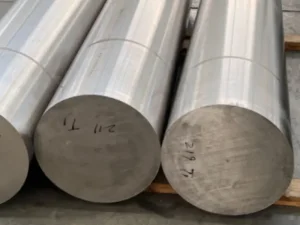
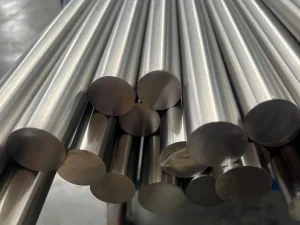
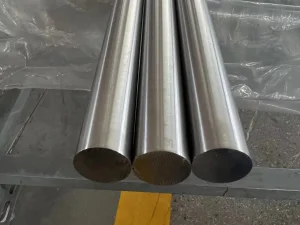
Specs: Φ5-100mm * L2000-3000mm
Ideal for: Chemical processing and high-acid environments.
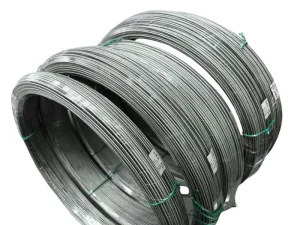
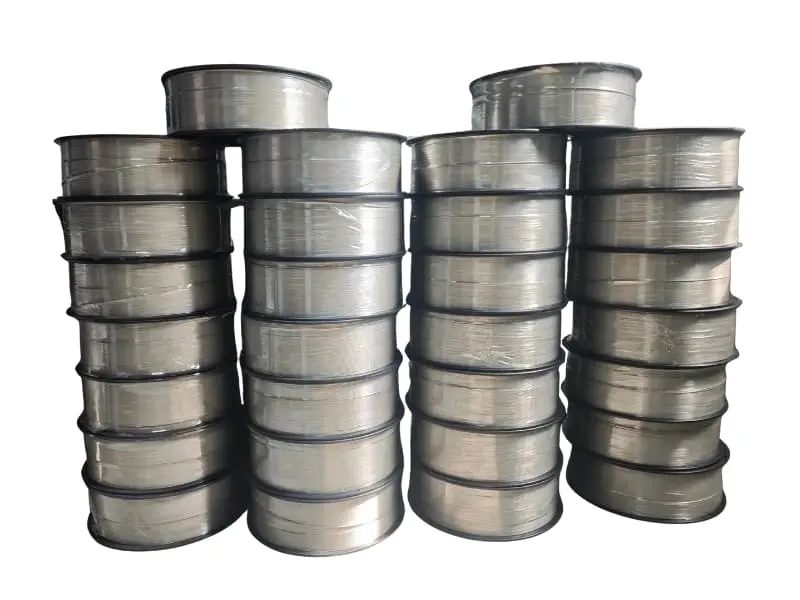
Grades: Gr1, Gr2, Gr5, Gr7, Gr12
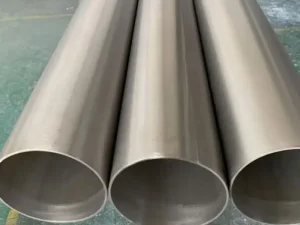
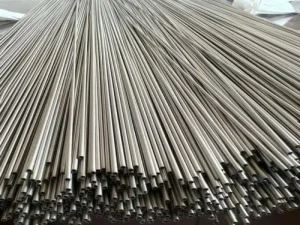
Standards: ASTM B338, B861, B862
Surface: Polished, Pickled, Coated
As we look toward 2025-2030, several key trends are reshaping the Custom Titanium Foil market:
For global procurement officers, the focus has shifted from "lowest price" to "total cost of ownership (TCO)." Investing in marine-grade titanium foil significantly reduces maintenance downtime and replacement cycles.
 ProX Metal