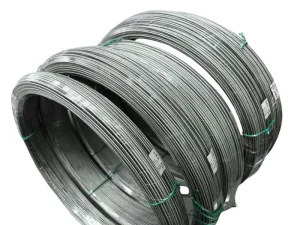
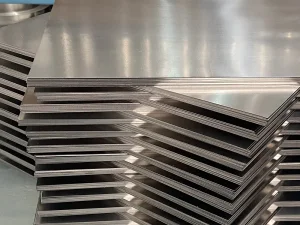
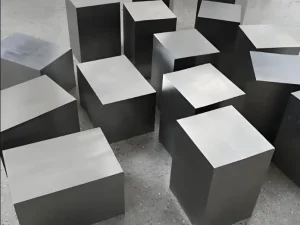
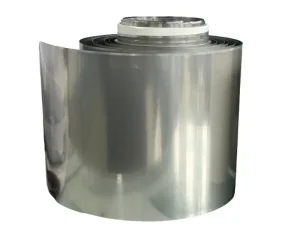
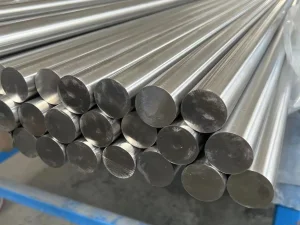
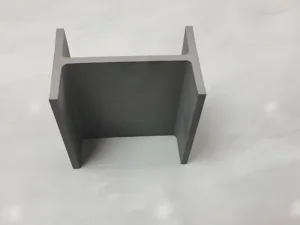
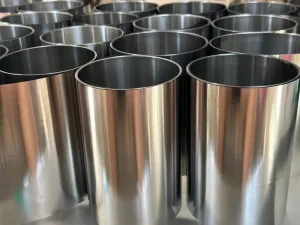
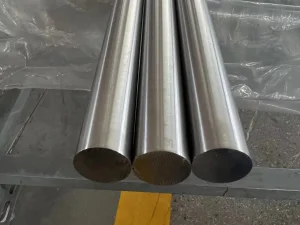
The global marine industry is undergoing a paradigm shift, transitioning from traditional steel and aluminum to advanced titanium alloys. Titanium’s immunity to seawater corrosion—specifically crevice and pitting corrosion—has established it as the "gold standard" for offshore assets. As we approach 2030, the demand for high-performance titanium in desalination plants, subsea oil and gas extraction, and next-generation naval architecture is projected to grow by 15% CAGR.
Understanding grade selection is critical for engineering success:
The industry is moving toward "Digital Twin" integration, where titanium components are precision-manufactured using additive manufacturing (3D printing) to reduce material waste by up to 60%. Sustainability is driving a circular economy in titanium recycling, ensuring that end-of-life marine components are re-processed into high-value alloys, minimizing the environmental footprint of mining operations.
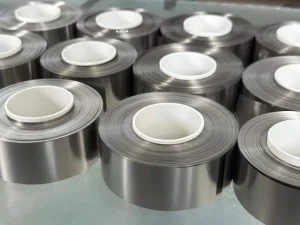
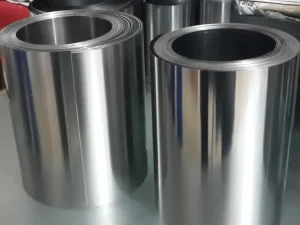
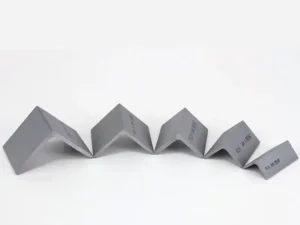
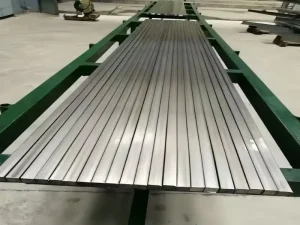
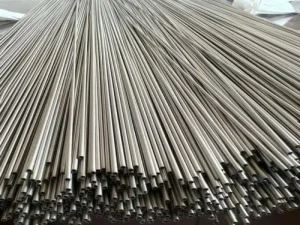
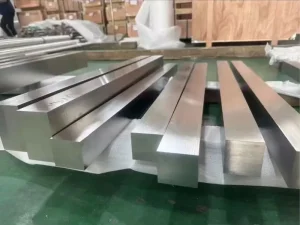
A: Titanium is inherently immune to saltwater corrosion and bio-fouling. Unlike copper-nickel alloys, titanium does not require high-velocity design constraints, allowing for thinner wall tubing, resulting in superior thermal efficiency and a lifespan exceeding 30 years in harsh seawater environments.
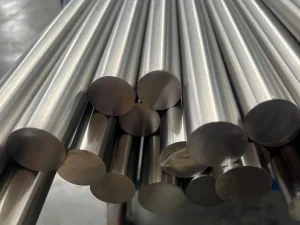
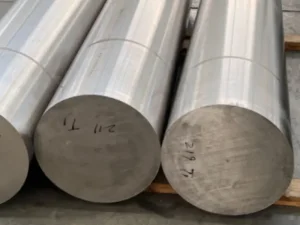
A: Yes. We specialize in high-strength Grade 5 (Ti-6Al-4V) and Grade 23 (Ti-6Al-4V ELI) forgings. Our manufacturing process meets ASTM B348 and AMS specifications, tailored for critical marine structural components, including propellers and rudder shafts.
A: Our facility maintains a production capacity of 8,000 tons annually. For standard industrial grades, we offer rapid deployment from our 10-ton spot inventory. Custom-engineered marine components undergo strict QA (ISO 9001:2015) before shipping, typically ranging from 4-8 weeks based on complexity.
 ProX Metal